Why do my brakes heat up?
Why Are My Brakes Getting Hot? Common Causes, Warning Signs, and What to Do
Is it normal for your brakes to get hot after driving? Yes. Your brakes create heat every time you slow down or stop. But excessive brake heat, especially when accompanied by a burning smell, unusual noises, or reduced stopping power, can indicate a problem that needs attention.
Your vehicle's braking system works by converting motion into heat through friction. When you press the brake pedal, brake pads squeeze against rotating brake rotors, creating the friction needed to slow your vehicle.
Modern braking systems are designed to handle considerable heat. However, when components wear, fail to release properly, or are subjected to demanding driving conditions, temperatures can rise beyond normal operating levels.
At Next Gen Auto Care in Londonderry, NH, we help drivers understand what's happening with their brakes, identify potential problems, and make informed decisions about repairs and maintenance.
Is It Normal for Brakes to Get Hot?
Yes. Brake heat is a normal part of driving. Excessive heat or uneven temperatures between wheels, however, may indicate a problem.
Every time you apply your brakes, friction generates heat. The brake rotors and surrounding components are designed to absorb and release that heat as you drive.
Brake temperatures depend on several factors, including:
- How frequently and aggressively you brake
- Vehicle weight and the amount of cargo you're carrying
- Driving on steep hills or mountain roads
- Stop-and-go traffic
- Towing trailers or hauling heavy loads
- The condition of your brake system
After normal driving, your brake rotors may be too hot to touch safely. That alone doesn't mean something is wrong.
However, if you notice a strong burning smell, smoke, unusual brake drag, or a wheel that seems significantly hotter than the others, something may not be working correctly.
Important: Never touch brake rotors, calipers, or nearby wheel components immediately after driving to check their temperature. They can cause serious burns.
What Causes Brakes to Overheat?
Several conditions can create excessive brake temperatures. Some are related to driving habits, while others involve mechanical problems that require repair.
1. Sticking Brake Calipers
One of the most common mechanical causes of excessive brake heat is a sticking brake caliper.
Your brake calipers apply pressure to the brake pads when you press the brake pedal. When you release the pedal, that pressure should decrease so the brake pads are no longer clamping the rotor.
If a caliper piston sticks or the caliper slide pins become seized, the brake pads may continue dragging against the rotor.
This constant friction creates heat even when you're not braking.
Common symptoms include:
- A burning smell near one wheel
- One wheel becoming unusually hot
- The vehicle pulling to one side
- Excessive brake dust
- Uneven brake pad wear
- Reduced fuel economy
A sticking caliper can quickly damage brake pads and rotors. In severe cases, excessive heat can affect other nearby components.
2. Brake Pads That Aren't Releasing Properly
Brake pads need to move freely within their mounting hardware.
Here in New Hampshire, road salt, moisture, and corrosion can cause brake hardware to rust or seize.
When brake pads become restricted in their mounting brackets, they may remain in contact with the rotor after you release the brake pedal.
This can result in:
- Excessive brake temperatures
- Uneven or accelerated brake pad wear
- Grinding or scraping noises
- Brake rotors developing hot spots
- Reduced braking efficiency
This is one reason a proper brake service involves more than simply installing new brake pads.
The condition of the calipers, mounting brackets, slide pins, and hardware matters just as much as the friction material itself.
3. Worn or Damaged Brake Pads and Rotors
Brake pads and rotors are wear items that require periodic inspection and replacement.
Normal pad wear doesn't automatically cause brakes to overheat. However, severely worn or damaged components can contribute to braking problems, including abnormal friction and heat buildup.
Brake rotors can also develop excessive corrosion, scoring, cracking, or uneven thickness.
Drivers sometimes describe brake vibration as having "warped rotors." In many cases, that pulsation is actually caused by variations in rotor thickness or uneven friction material deposits.
These conditions can affect how smoothly the brakes operate and should be evaluated before recommending repairs.
4. Frequent Hard Braking or Riding the Brakes
Your brakes generate more heat when they're used repeatedly without adequate time to cool.
This can happen during:
- Aggressive driving
- Heavy stop-and-go traffic
- Repeated hard stops
- Long downhill stretches
- Towing or carrying heavy loads
For example, keeping your foot lightly on the brake pedal while driving downhill can generate continuous friction.
Using the appropriate lower gear or your vehicle's recommended downhill driving mode can help reduce reliance on the brakes.
Even a properly functioning brake system can overheat if subjected to sustained braking demands.
5. Brake Hose or Hydraulic Problems
Sometimes the problem isn't the brake pads or calipers themselves.
A deteriorated flexible brake hose can occasionally restrict the return flow of brake fluid. This may leave residual hydraulic pressure at a caliper, preventing the brakes from releasing fully.
Other hydraulic problems can also contribute to improper brake operation.
This is why identifying the cause of a dragging brake is important before replacing components.
Replacing a brake caliper without diagnosing the underlying problem may not resolve the condition.
Why Do My Brakes Smell Like They're Burning?
A burning smell coming from your wheels can indicate excessive brake friction and heat.
If a brake caliper sticks, brake pads drag, or the brakes are subjected to unusually heavy use, temperatures may become high enough to produce a noticeable odor.
Possible causes include:
- A sticking brake caliper
- Brake pads seized in their mounting hardware
- Repeated heavy braking
- Overheated brake friction material
- A parking brake that isn't fully releasing
A mild odor following recent brake replacement can sometimes occur during the initial break-in process. However, a strong, persistent, or worsening burning smell should not be considered normal.
If you notice a burning smell during ordinary driving, particularly near one wheel, have the braking system inspected.
Why Is One Wheel Hotter Than the Others?
If one wheel is significantly hotter than the others after similar driving conditions, a dragging brake is one possible explanation.
Normally, brakes on the same axle perform similar work, although temperatures can vary depending on the vehicle and driving conditions.
When one brake continues to apply friction after the pedal is released, that wheel can become abnormally hot.
Potential causes include a sticking caliper piston, seized slide pins, restricted brake pads, a parking brake problem, or a hydraulic restriction.
A technician can evaluate brake drag, component movement, and hydraulic operation to determine what's preventing the brake from releasing correctly.
The important thing is to identify the underlying cause rather than simply replacing the overheated parts.
What Is Brake Fade, and Why Is It Dangerous?
Brake fade is a temporary reduction in braking effectiveness caused by excessive heat.
When brake pads and rotors become too hot, the friction material may lose some of its ability to slow the vehicle.
As a result, you may need to apply more pressure to achieve the same braking performance, and stopping distances can increase.
Extreme heat can also cause brake fluid to boil, especially if the fluid has absorbed moisture. Vapor in the hydraulic system can produce a soft or spongy brake pedal and reduced braking capability.
These are different heat-related problems, but both can affect your ability to stop safely.
Warning signs may include:
- The vehicle taking longer than normal to stop
- Needing more pedal pressure to slow down
- A soft or spongy brake pedal
- An unusual burning odor
- Smoke near the wheels
- A noticeable change in braking response
A soft brake pedal can also indicate other serious hydraulic problems, including fluid leaks, and should never be ignored.
What Should You Do If Your Brakes Overheat?
If you suspect your brakes are overheating, your safety comes first.
If your brakes are still responding normally:
- Reduce speed and avoid unnecessary hard braking.
- Find a safe place to pull over.
- Allow the brakes to cool naturally.
- Do not touch the brake components or spray water on hot rotors.
- Arrange for an inspection before continuing if there are signs of a mechanical problem.
If your brakes are smoking, the pedal feels abnormal, or stopping performance has decreased significantly, do not continue driving. Have the vehicle transported to a repair facility.
Even if the brakes seem to return to normal after cooling, the underlying problem may still be present.
How Does Next Gen Auto Care Diagnose Overheating Brakes?
At Next Gen Auto Care, we believe the right repair starts with understanding the problem.
If a customer tells us their brakes smell hot, one wheel is overheating, or the vehicle is pulling while braking, we don't automatically assume the solution is new pads and rotors.
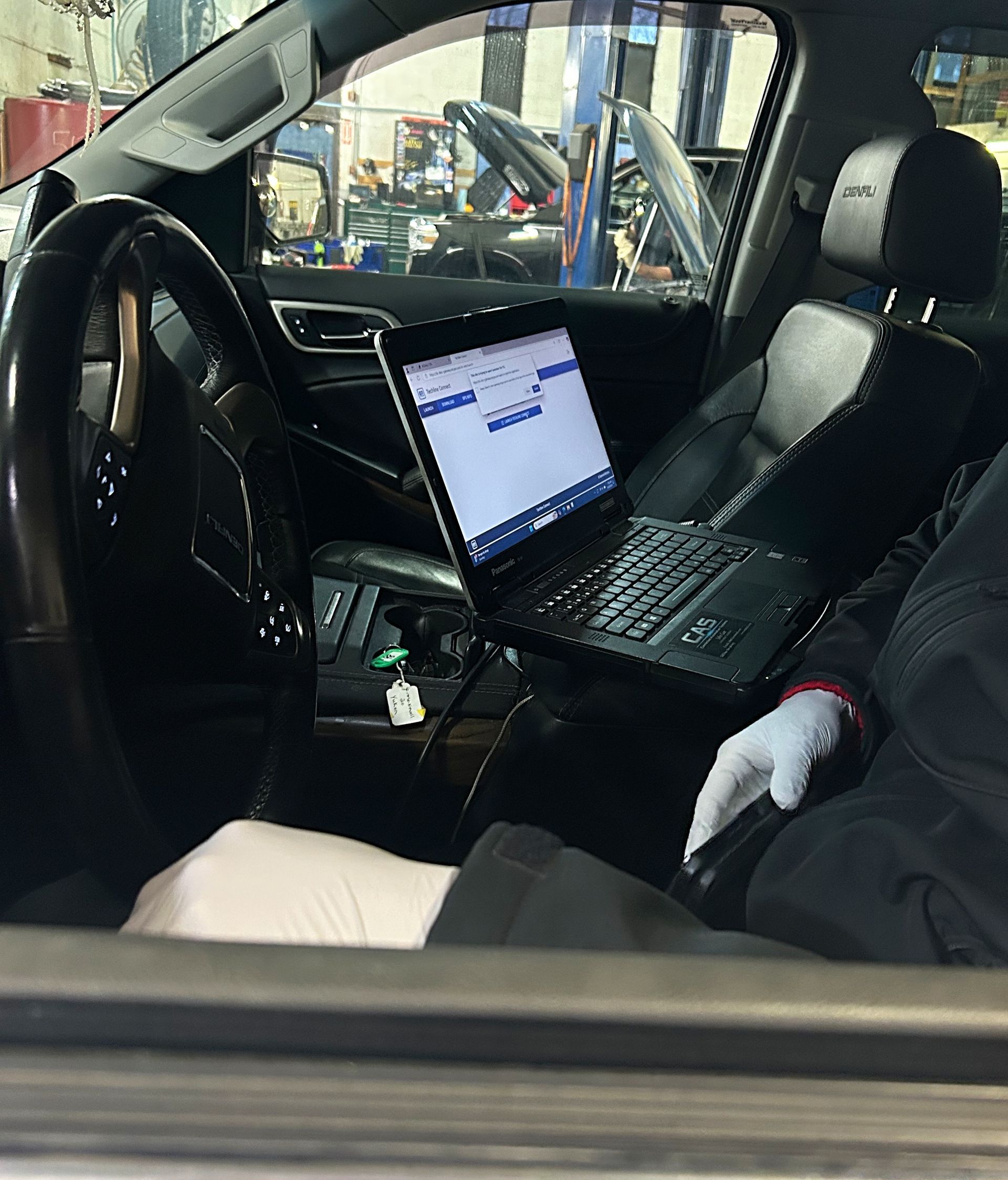
We evaluate the braking system to determine what's actually causing the concern.
Depending on the symptoms, our technicians may inspect:
- Brake pads: Thickness, wear patterns, and evidence of overheating
- Brake rotors: Thickness, surface condition, corrosion, and heat damage
- Brake calipers: Piston movement, operation, and signs of sticking
- Slide pins and hardware: Proper movement, lubrication, and corrosion
- Brake hoses: Possible restrictions or damage
- Brake fluid: Condition and potential hydraulic concerns
- Parking brake system: Proper application and release
- Related components: Signs of heat damage or other contributing problems
When appropriate, our technicians may also conduct a road test, measure temperatures using suitable diagnostic equipment, or perform additional testing to identify brake drag or hydraulic restrictions.
We Show You What We Find
Our approach goes beyond identifying worn parts.
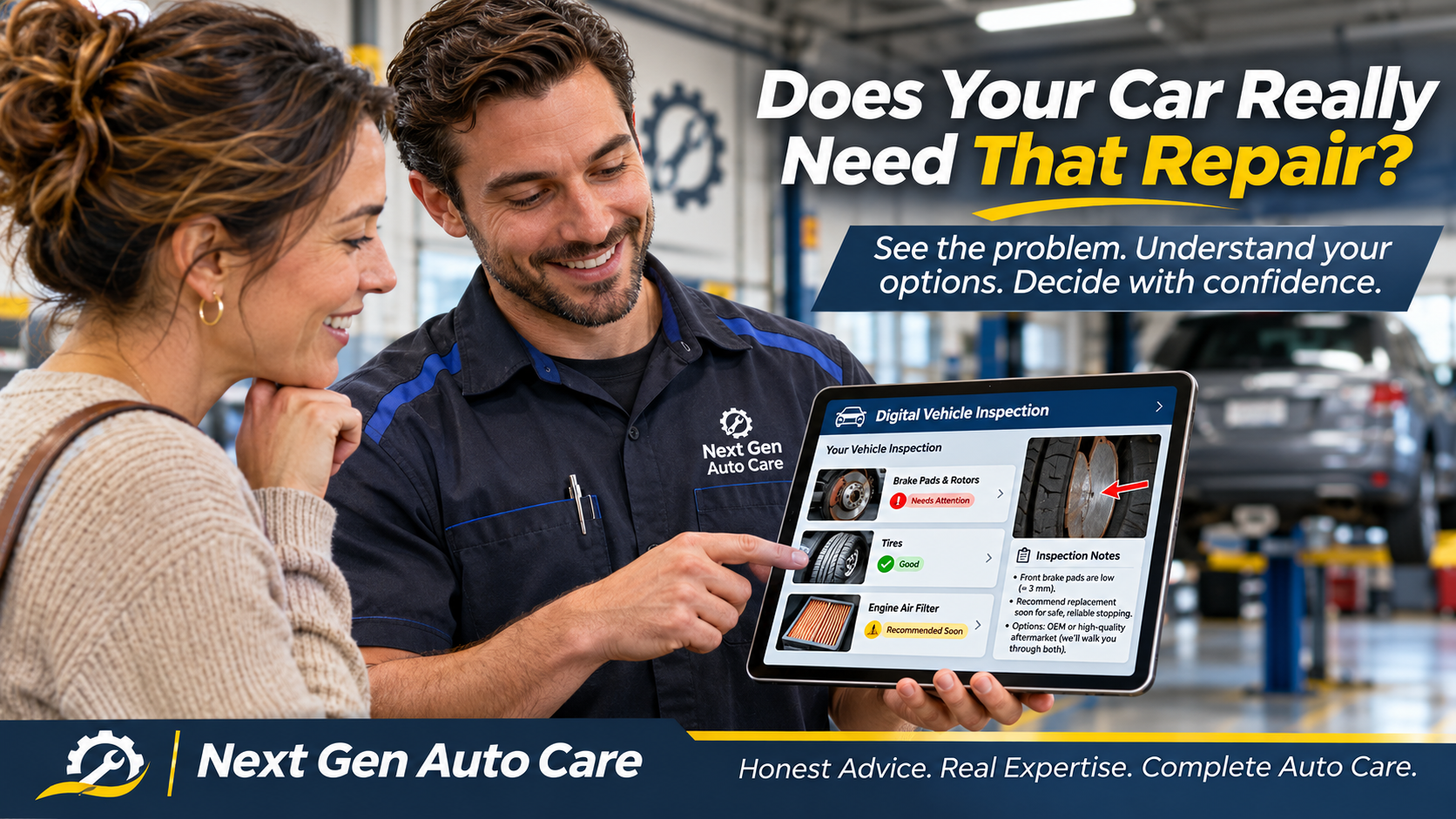
We use digital vehicle inspections, including photographs and documentation when appropriate, to help customers understand the condition of their vehicles.
We explain:
- What's working properly
- What needs immediate attention
- What should be monitored or serviced in the future
- Why a particular repair is recommended
Our goal is to provide clear information so you can make confident decisions about your vehicle.
Honest Advice. Real Expertise. Complete Auto Care.
How Can You Prevent Your Brakes from Overheating?
While not every brake problem can be prevented, proper maintenance and driving habits can help reduce the risk.
Have your brakes inspected regularly. Brake inspections can identify uneven wear, corrosion, sticking hardware, and other developing concerns before they become more expensive problems.
Address unusual noises or odors early. Grinding, scraping, pulling, or burning smells shouldn't be ignored.
Avoid riding the brakes. When driving down long hills, use appropriate engine braking or vehicle driving modes as recommended by the manufacturer.
Keep up with brake fluid maintenance. Brake fluid absorbs moisture over time, which can reduce its boiling point. Follow manufacturer recommendations and address fluid condition concerns when identified.
Pay attention to New Hampshire road salt and corrosion. Rust can restrict the movement of brake components, even when the brake pads still have usable friction material.
Don't assume new pads solve every brake problem. If a caliper, hose, or mounting component is causing brake drag, replacing the pads alone won't correct the underlying issue.
Preventive maintenance helps extend the life of brake components while supporting dependable stopping performance.
Professional Brake Inspection and Repair in Londonderry, NH
Your brakes are one of the most important safety systems on your vehicle. When something doesn't feel right, you deserve more than guesswork.
At Next Gen Auto Care, our experienced technicians provide comprehensive brake inspections, diagnostics, maintenance, and repairs.
Whether your brakes are overheating, making noise, vibrating, pulling, or simply due for an inspection, we'll help you understand their condition and what your vehicle needs.
We proudly serve drivers from Londonderry, Derry, Chester, Windham, Manchester, and surrounding Southern New Hampshire communities.
We believe good auto repair is about more than replacing parts. It's about helping you maintain a safe, reliable vehicle and avoid unnecessary surprises.
Because the people you love ride in that car.
Concerned About Your Brakes?
Don't wait for a small brake problem to turn into a major repair or safety concern.
Contact Next Gen Auto Care in Londonderry, NH to schedule a professional brake inspection.
Call (603) 434-2730
Monday–Friday | 7:00 AM–5:00 PM
Next Gen Auto Care — Honest Advice. Real Expertise. Complete Auto Care.
Frequently Asked Questions About Hot Brakes
Why are my brakes hot even when I haven't been braking much?
If your brakes become excessively hot with minimal braking, a component may be dragging. Sticking calipers, seized brake hardware, parking brake problems, or restricted brake hoses can keep the brakes partially applied.
Why does my car smell like burning brakes after driving?
A burning smell near the wheels may indicate excessive brake friction. Common causes include dragging brake pads, sticking calipers, heavy braking, or a parking brake that hasn't fully released. A persistent smell should be inspected.
Can a sticking brake caliper cause my brakes to overheat?
Yes. A sticking caliper can prevent the brake pads from releasing properly, creating continuous friction and excessive heat. This may cause premature wear, rotor damage, and reduced braking performance.
Can overheated brakes damage my car?
Yes. Excessive heat can damage brake pads, rotors, calipers, seals, and potentially nearby components. Continued driving with dragging brakes can increase repair costs and create safety concerns.
Why do my brakes shake when I stop?
Brake vibration or pulsation can result from uneven brake rotor thickness, excessive rotor runout, corrosion, or other mechanical problems. A professional inspection can identify the cause and determine the appropriate repair.
Are hot brakes dangerous?
Some brake heat is normal. However, smoking brakes, a strong burning smell, unusual brake drag, or reduced stopping power can indicate a dangerous condition. Stop driving if braking performance is compromised.
Where can I get my brakes inspected near Londonderry or Derry, NH?
Next Gen Auto Care in Londonderry, NH provides professional brake inspections, diagnostics, maintenance, and repairs for drivers throughout Southern New Hampshire. Call (603) 434-2730 to schedule an appointment.