Factory-Recommended Maintenance: Necessary Service or Dealer Suggestion?
What Is Factory-Recommended Maintenance?
Factory-Recommended Maintenance: Necessary Service or Dealer Suggestion?
When your vehicle reaches a certain mileage, you may be told that it is due for “factory-recommended maintenance.” That phrase can sound vague—and sometimes expensive.
Is it something your vehicle truly needs, or is it simply a service the dealership wants to sell?
The answer depends on what is being recommended, your vehicle’s maintenance history, and how you drive. Factory-recommended maintenance is legitimate, but that does not mean every vehicle needs the exact same package at the exact same mileage.
What Is Factory-Recommended Maintenance?
Factory-recommended maintenance is the service schedule created by your vehicle’s manufacturer. It is designed to help maintain safety, reliability, fuel economy, performance, and warranty coverage.
Depending on the vehicle and mileage, recommended maintenance may include:
- Engine oil and filter replacement
- Tire rotation and tire-pressure inspection
- Brake inspection
- Engine and cabin air-filter replacement
- Coolant service
- Brake-fluid replacement
- Transmission-fluid service
- Spark-plug replacement
- Belt and hose inspection
- Differential or transfer-case fluid service
- Battery and charging-system testing
These recommendations are usually based on time, mileage, or both.
Do I Have to Return to the Dealership for Maintenance?
No. Routine maintenance does not have to be completed at the dealership.
A qualified independent repair facility can perform factory-recommended maintenance using the correct fluids, filters, parts, procedures, and service intervals for your vehicle.
The important part is that the work is performed properly and documented. Keep service records and receipts showing the mileage, date, parts, fluids, and services completed.
Why Do Maintenance Recommendations Sometimes Seem Different?
There are several reasons one shop’s recommendation may not match another’s.
First, maintenance schedules differ between manufacturers, engines, transmissions, and vehicle configurations. An all-wheel-drive SUV may require services that a front-wheel-drive sedan does not.
Second, many manufacturers publish separate schedules for normal and severe driving conditions.
Severe driving may include:
- Frequent short trips
- Extended idling
- Stop-and-go traffic
- Towing or carrying heavy loads
- Driving in extreme heat or cold
- Traveling on dusty, muddy, or salted roads
New Hampshire driving can be especially demanding because of cold starts, road salt, potholes, temperature swings, and short winter trips.
Finally, the vehicle’s previous service history matters. A recommendation may be appropriate based on mileage but unnecessary if the service was recently completed.
Is the 30,000-, 60,000-, or 90,000-Mile Service a Real Requirement?
These mileage points are common maintenance milestones, but there is not one universal service package that applies to every vehicle.
Some repair facilities sell bundled mileage packages. These can be convenient, but the services included should still match your vehicle’s actual manufacturer recommendations.
Before approving a mileage-based package, ask:
- Is this service listed in my owner’s manual?
- Is it due by mileage, time, or condition?
- Has it already been completed?
- What fluid or part specification will be used?
- Is there an inspection result supporting the recommendation?
A professional recommendation should be specific to your vehicle—not simply based on a number on the odometer.
What Happens If Factory Maintenance Is Delayed?
Not every overdue service causes an immediate breakdown. However, repeatedly postponing maintenance can allow wear, contamination, or fluid deterioration to create larger problems.
For example:
- Old brake fluid can absorb moisture and affect braking-system components.
- Worn spark plugs can contribute to misfires, poor performance, and increased fuel use.
- Neglected coolant can lose its protective qualities and contribute to corrosion.
- Dirty transmission fluid may reduce lubrication and increase internal wear.
- A restricted air filter can affect performance and fuel economy.
- Missed inspections can allow tire, brake, steering, or suspension problems to go unnoticed.
Maintenance is generally less expensive when it is performed before a component fails.
Does Every Recommendation Need to Be Completed Immediately?
No. A good maintenance plan separates services into clear priorities.
Some items may be due now because they affect safety, reliability, or the risk of expensive damage. Others may be approaching their service interval and can be planned for a future visit.
At Next Gen Auto Care, we consider:
- Manufacturer recommendations
- Current mileage and vehicle age
- Available service history
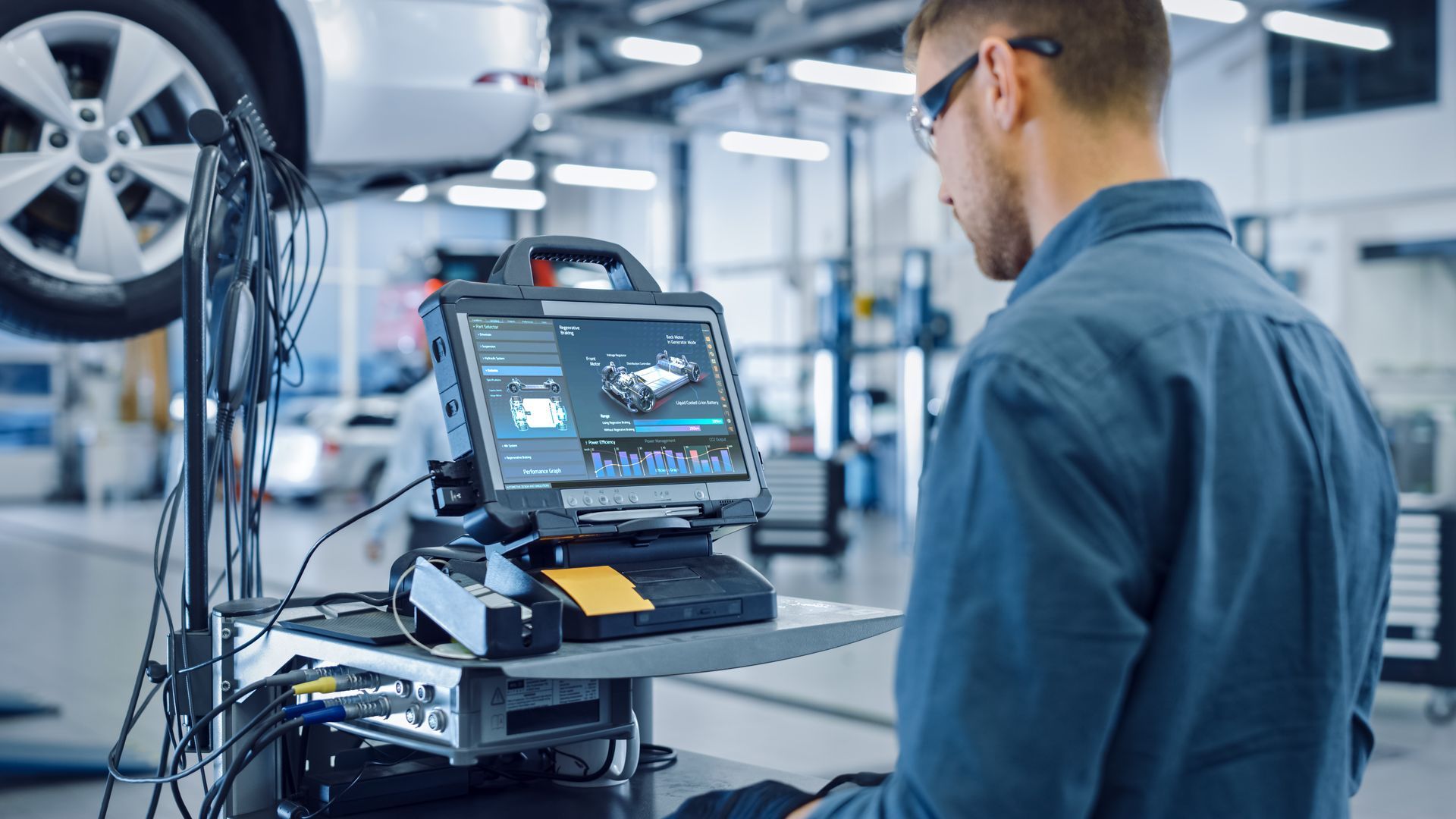
- Actual fluid and component condition
- Warning lights or stored fault codes
- Driving habits and vehicle use
- The customer’s future plans for the vehicle
This allows us to recommend what is necessary now, what should be monitored, and what can be scheduled later.
How Do I Know Whether a Maintenance Recommendation Is Legitimate?
A trustworthy shop should be willing to explain:
- Why the service is recommended
- Whether it is based on time, mileage, condition, or testing
- What could happen if it is delayed
- What parts or fluids will be used
- Whether the service is urgent or can be planned
- How the recommendation fits into your vehicle’s overall maintenance history
Photos, measurements, inspection results, and service records can make the recommendation easier to understand.
You should never feel pressured to approve a service you do not understand.
Can Preventive Maintenance Save Money?
In many cases, yes.
Preventive maintenance cannot eliminate every unexpected repair, but it can reduce the chance of avoidable breakdowns and help identify concerns before they become more expensive.
It can also help:
- Extend vehicle life
- Protect major components
- Maintain fuel economy
- Improve reliability
- Preserve resale value
- Reduce emergency repair costs
- Make future expenses easier to plan
The goal is not to replace parts unnecessarily. The goal is to keep the vehicle safe and dependable while helping you make informed decisions.
Factory Maintenance Without the Guesswork
Factory-recommended maintenance is more than a dealership suggestion, but it should never be treated as a one-size-fits-all package.
The right maintenance plan should be based on your specific vehicle, its service history, its condition, and how it is driven.
At Next Gen Auto Care, we provide factory-recommended maintenance for drivers in Londonderry, Derry, Chester, Windham, Manchester, and surrounding New Hampshire communities. We review your vehicle’s requirements, inspect its current condition, and explain our recommendations clearly so you can decide what makes sense.
Next Gen Auto Care — Honest Advice. Real Expertise. Complete Auto Care.