New Hampshire Vehicle Inspections Have Ended — But Vehicle Safety Laws Still Apply
The inspection requirement ended. The safety requirements did not.
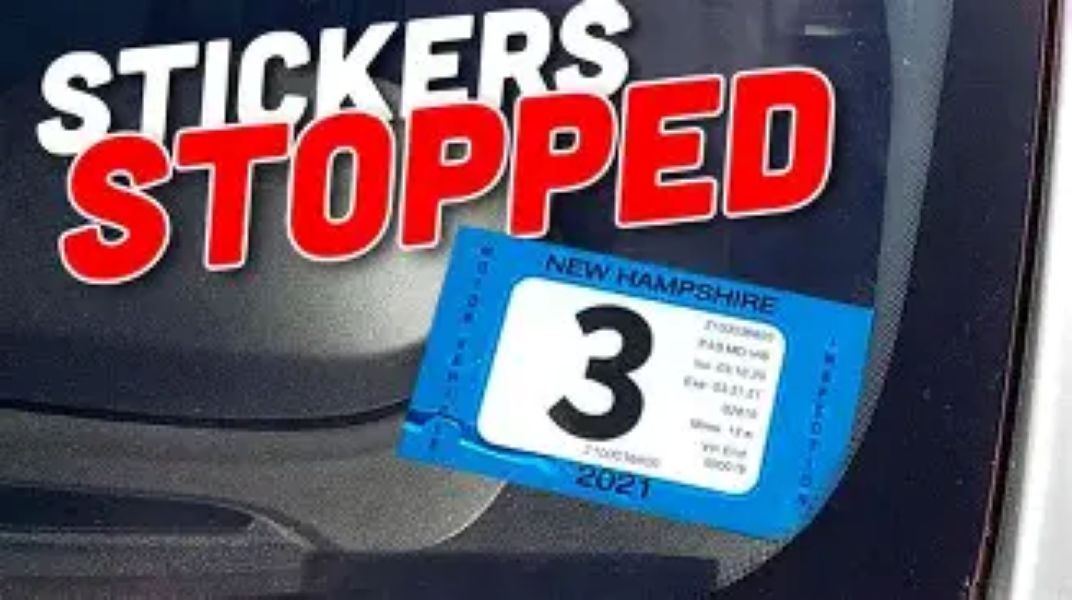
New Hampshire Vehicle Inspections Have Ended — But Vehicle Safety Laws Still Apply
Do vehicles in New Hampshire still have to meet safety requirements even though annual inspections are no longer mandatory?
Yes. New Hampshire may no longer require most passenger vehicles to undergo an annual state safety inspection, but drivers are still responsible for operating vehicles that comply with New Hampshire's vehicle safety laws.
That distinction is important.
The inspection requirement ended. The safety requirements did not.
According to the New Hampshire Division of Motor Vehicles, vehicle owners must still comply with state laws governing the safe condition and operation of their vehicles. In other words, not having to get an inspection sticker does not mean a vehicle can legally be driven with unsafe brakes, tires, steering, lighting, structural problems, or other safety-related defects.
What Changed With NH Vehicle Inspections?
For many years, New Hampshire drivers were accustomed to having their vehicles inspected annually. That inspection often served two purposes:
- It satisfied the state's inspection requirement.
- It gave the vehicle a yearly safety check for developing problems.
With mandatory inspections ending, the first requirement has changed.
The second need has not.
Vehicles still wear out. Tires still lose tread. Brake pads still become thin. Ball joints, tie rods, wheel bearings, exhaust systems, lights, wipers, and other components still deteriorate with age and mileage.
The difference is that there may no longer be a yearly inspection appointment that automatically brings those problems to someone's attention.
Are There Still Vehicle Safety Laws in New Hampshire?
Yes. New Hampshire continues to have laws governing the safe equipment and operation of motor vehicles.
The NH DMV has specifically addressed this question following the end of mandatory inspections. Eliminating the inspection program does not eliminate the laws requiring vehicles to be safely equipped and maintained.
New Hampshire safety requirements can apply to areas such as:
- Brakes
- Steering and suspension
- Tires and wheels
- Headlights, brake lights and other required lighting
- Windshields and vehicle glass
- Windshield wipers
- Mirrors
- Exhaust systems
- Vehicle structure and body condition
- Other equipment required for safe vehicle operation
New Hampshire DMV materials continue to reference safety requirements for critical vehicle systems such as steering and suspension, structural integrity, lighting, brakes, exhaust, mirrors, wipers, and glazing.
Can You Drive a Vehicle With a Safety Problem in NH If Inspections Are No Longer Required?
Not necessarily.
The fact that you are no longer required to obtain an annual inspection sticker does not give you permission to operate an unsafe vehicle.
Think of it this way:
An inspection was a method of checking compliance. It was not the law that made your brakes, tires, lights, and steering need to be safe in the first place.
Drivers remain responsible for the condition of the vehicles they operate.
For example, a vehicle could potentially have:
- A dangerously worn tire
- A serious brake problem
- A loose steering or suspension component
- Inoperative required lighting
- Severe structural corrosion
- A windshield or visibility problem
- An unsafe exhaust condition
The absence of an annual inspection requirement does not automatically make those conditions acceptable.
What Vehicle Safety Items Should NH Drivers Check Regularly?
Without an annual inspection deadline, it makes sense for drivers to develop their own routine for checking vehicle condition.
1. Tires
Check:
- Tread depth
- Uneven tire wear
- Cracking or dry rot
- Bulges or sidewall damage
- Proper tire pressure
- Signs of alignment or suspension problems
Your tires are the only parts of the vehicle actually touching the road, so their condition affects braking, steering, stability, and wet-weather traction.
2. Brakes
Watch for:
- Grinding or squealing
- Brake pedal changes
- Vehicle pulling while braking
- Steering wheel vibration
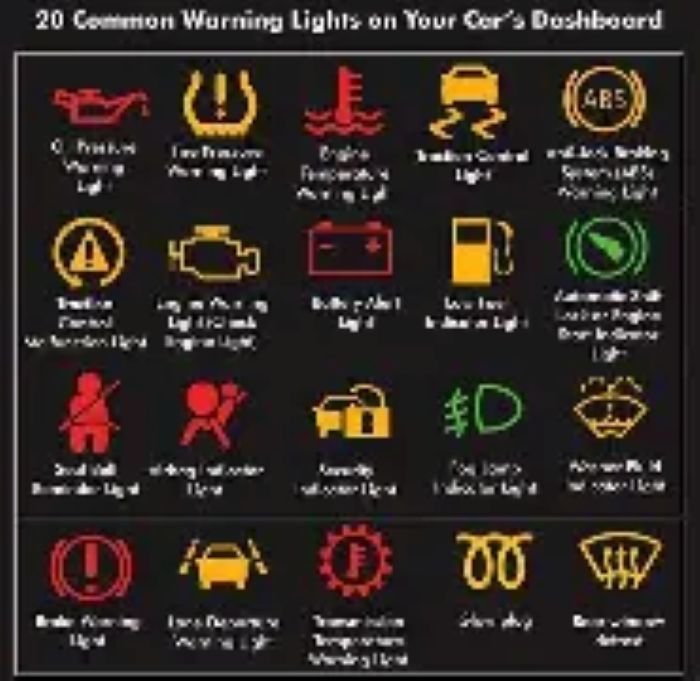
- Brake warning lights
- Excessive rust or deterioration
- Worn pads or rotors
Brake wear can happen gradually enough that drivers sometimes adjust to the change without realizing how much braking performance has deteriorated.
3. Steering and Suspension
Potential warning signs include:
- Loose or wandering steering
- Clunking noises
- Uneven tire wear
- Vehicle pulling
- Excessive bouncing
- Steering wheel vibration
- Changes in ride height
Steering and suspension components are particularly important in New Hampshire, where potholes, frost heaves, road salt, and winter driving can be hard on vehicles.
4. Lights
Regularly verify that your:
- Headlights
- Brake lights
- Turn signals
- Tail lamps
- Marker lights
- License plate lights
are operating properly.
Lighting isn't just about seeing the road. It allows everyone else on the road to see you and understand what you are doing.
5. Windshield, Wipers and Visibility
Check for:
- Damaged or severely cracked glass
- Worn wiper blades
- Poor washer operation
- Mirrors that are damaged or missing
- Anything that significantly restricts the driver's view
Good visibility becomes especially important during New Hampshire rain, snow, freezing rain, and winter road spray.
6. Exhaust System
An exhaust problem isn't always just an annoying noise.
Exhaust leaks can potentially allow fumes to enter the passenger compartment, particularly when leaks occur toward the front of the vehicle.
Listen for changes in exhaust sound and have unusual exhaust odors investigated.
7. Rust and Structural Condition
New Hampshire vehicles live in a difficult environment.
Road salt and moisture can cause significant corrosion underneath a vehicle, including deterioration around:
- Frames and subframes
- Suspension mounting areas
- Brake and fuel lines
- Rocker panels
- Body mounting locations
- Other structural components
NH DMV guidance regarding vehicle safety continues to identify excessive rust that compromises structural integrity as a safety concern.
Does My Car Still Need an Annual Safety Check in New Hampshire?
The state may no longer require an annual inspection, but having the vehicle evaluated periodically is still a good idea.
How often depends on the vehicle's age, mileage, condition, and use.
For many drivers, having the vehicle thoroughly checked at least once or twice per year — or during regularly scheduled maintenance — is a practical way to catch problems before they become more serious.
Older and higher-mileage vehicles may benefit from more frequent checks.
Can My Repair Shop Still Inspect My Vehicle Even Though NH Inspections Ended?
Yes.
A repair facility can perform a vehicle safety and maintenance evaluation even though it is no longer issuing the traditional state inspection sticker.
At Next Gen Auto Care in Londonderry, NH, we believe there is still considerable value in periodically looking at the entire vehicle rather than waiting until something breaks.
A good vehicle evaluation should help answer three basic questions:
What needs attention now?
These are safety concerns, active failures, or problems that shouldn't be ignored.
What will need attention soon?
These are components that are wearing but may not require immediate replacement.
What looks good?
Customers should know this too. Not every inspection should turn into a list of repairs.
That information allows you to make decisions based on the actual condition of your vehicle.
Is a Vehicle Safety Evaluation the Same as the Old NH State Inspection?
No.
The old inspection program was a state-mandated pass-or-fail process based on established inspection requirements.
A comprehensive vehicle safety and maintenance evaluation is different.
Its purpose is to document the condition of the vehicle and help the owner understand:
- Current safety concerns
- Maintenance needs
- Developing wear
- Items that should be monitored
- Repairs that can reasonably wait
- The overall condition of the vehicle
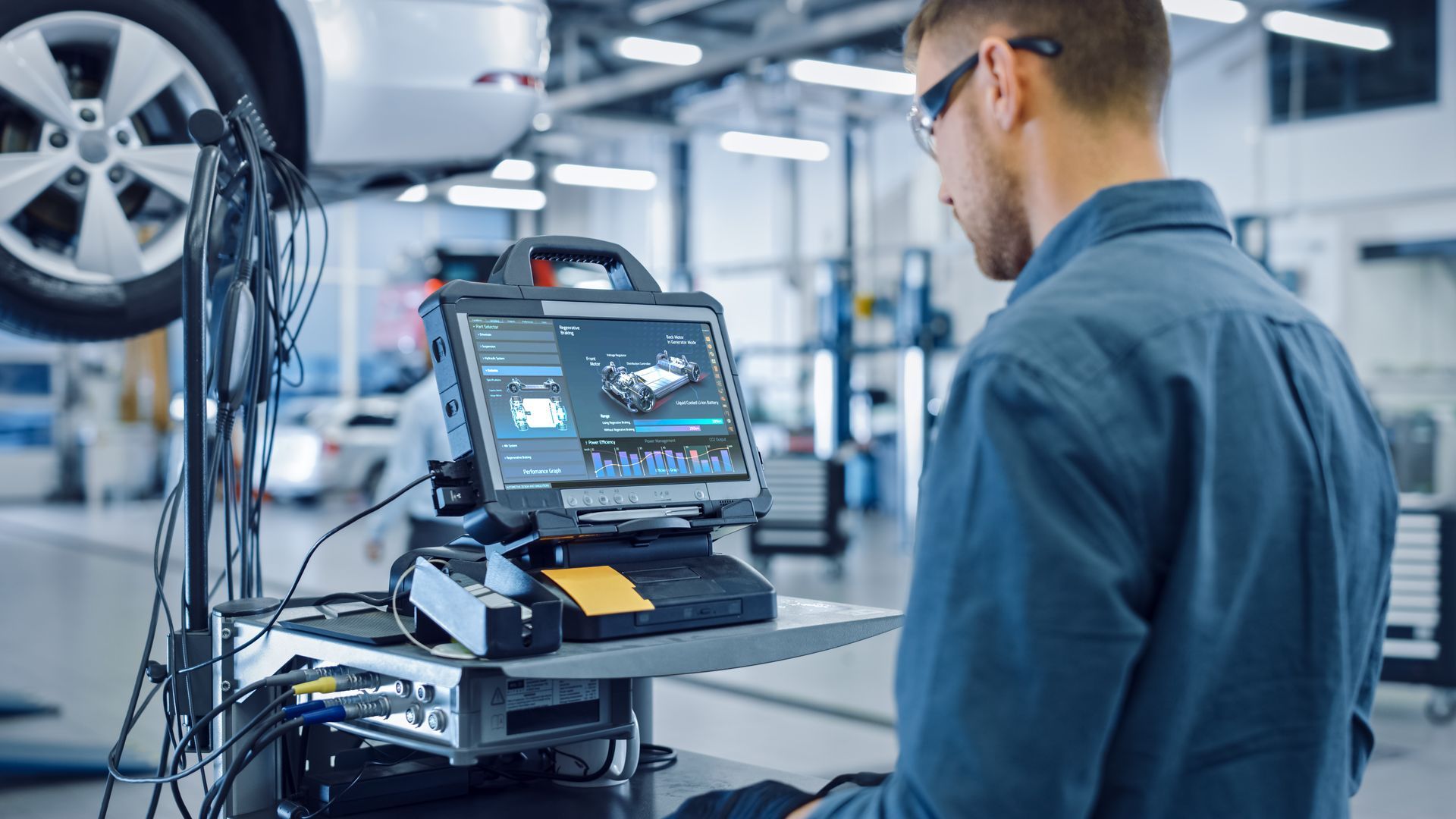
At Next Gen Auto Care, we use digital vehicle inspections so findings can be documented with photographs and technician notes whenever appropriate.
That creates a record of what was actually observed rather than simply telling a customer that something needs repair.
Why Are Vehicle Checks Especially Important in New Hampshire?
New Hampshire can be tough on vehicles.
Our cars and trucks regularly deal with:
- Road salt
- Snow and ice
- Potholes
- Frost heaves
- Temperature swings
- Rough winter roads
- Corrosion
- Gravel and road debris
Those conditions can accelerate wear to brakes, tires, suspension components, steering systems, exhaust systems, and the underside of the vehicle.
Removing the annual inspection requirement doesn't remove any of those conditions.
Frequently Asked Questions About NH Vehicle Safety Laws
Are NH vehicle inspections still required?
New Hampshire has ended the mandatory annual safety inspection requirement for most passenger vehicles. Drivers should check current NH DMV information for any vehicle-specific exceptions or requirements.
Do NH vehicle safety laws still apply?
Yes. Ending mandatory inspections does not eliminate New Hampshire laws governing vehicle equipment and safe vehicle operation.
Do I still need safe tires in NH?
Yes. Tires remain a critical safety component regardless of whether an annual inspection sticker is required.
Can I drive with bad brakes because NH doesn't require inspections?
No. Removing mandatory inspections does not make an unsafe braking system acceptable for road use.
Do my headlights and brake lights still have to work?
Yes. Required vehicle lighting must still comply with New Hampshire law.
Is vehicle rust still a safety concern?
Yes. Corrosion can become a safety issue when it affects structural integrity or components attached to the vehicle structure.
How often should I have my vehicle checked now?
There is no single schedule that is appropriate for every vehicle. For many drivers, having the vehicle evaluated during routine maintenance at least once or twice a year is a reasonable starting point. Older vehicles, high-mileage vehicles, or vehicles exposed to significant winter driving may need closer monitoring.
Does Next Gen Auto Care still check vehicles for safety concerns?
Yes. We can perform a comprehensive vehicle safety and maintenance evaluation and document the condition of major vehicle systems so you can decide what needs attention and when.
The Bottom Line
New Hampshire ending mandatory vehicle inspections does not mean New Hampshire ended its vehicle safety laws.
The biggest change is who is responsible for making sure problems are discovered.
Without an annual inspection deadline, vehicle owners may need to be more intentional about having their cars and trucks checked periodically.
A good vehicle evaluation isn't about finding as many repairs as possible.
It's about knowing the condition of the vehicle you and your family depend on every day.
At Next Gen Auto Care in Londonderry, NH, our approach is simple:
Identify what needs attention. Document what we find. Explain why it matters. Help you decide what to do next.
Serving drivers in Londonderry, Derry, Chester, Windham, Manchester, and surrounding New Hampshire communities.
Honest Advice. Real Expertise. Complete Auto Care.
For the most current information regarding New Hampshire vehicle laws and inspection requirements, visit the New Hampshire Division of Motor Vehicles.