Why Cheap Auto Repairs Can Get Expensive
Why can cheap auto repairs cost more later?

Why Cheap Auto Repairs Can Get Expensive
When your vehicle needs work, it is natural to look for the most affordable option. No one wants to spend more than necessary on auto repair. But there is an important difference between a fair repair price and a cheap repair that skips the steps needed to fix the problem correctly.
At Next Gen Auto Care by Tires Too in Londonderry, NH, we believe the right fix beats the fastest guess. A repair based on proper testing, inspection, and experience can save you money in the long run by solving the actual problem instead of just replacing parts and hoping for the best.
Why can cheap auto repairs cost more later?
Cheap auto repairs can become expensive when the root cause of the problem is not found. A vehicle problem often has a reason behind it. A worn part, warning light, fluid leak, noise, vibration, or driveability concern may be the result of something deeper.
For example, replacing a part without understanding why it failed may temporarily quiet a noise or turn off a warning light, but the same issue can return if the original cause was never corrected.
That can lead to:
- Paying for the same repair more than once
- Replacing parts that were not actually bad
- Ignoring related safety concerns
- Allowing small problems to damage other systems
- Losing time while the vehicle goes back into the shop again
The least expensive repair today is not always the least expensive repair overall.
What is the difference between a cheap repair and a proper diagnosis?
A cheap repair often starts with a guess: “It’s probably this part.” A proper diagnosis starts with a question: “What is actually causing the problem?”
At Next Gen Auto Care, we use inspections, testing, scan tools, service information, technician experience, and clear documentation to help determine what is happening with your vehicle. That approach helps us recommend the repair your vehicle actually needs.
A proper diagnosis may include:
- Verifying the customer’s concern
- Checking for warning lights or diagnostic trouble codes
- Inspecting related components
- Testing electrical, mechanical, or fluid systems
- Looking for wear, leaks, damage, or previous repair issues
- Explaining what was found before repairs are performed
This process takes more care than a quick guess, but it helps protect the customer from unnecessary parts replacement and repeat repairs.
Why clearing a warning light is not the same as fixing the problem
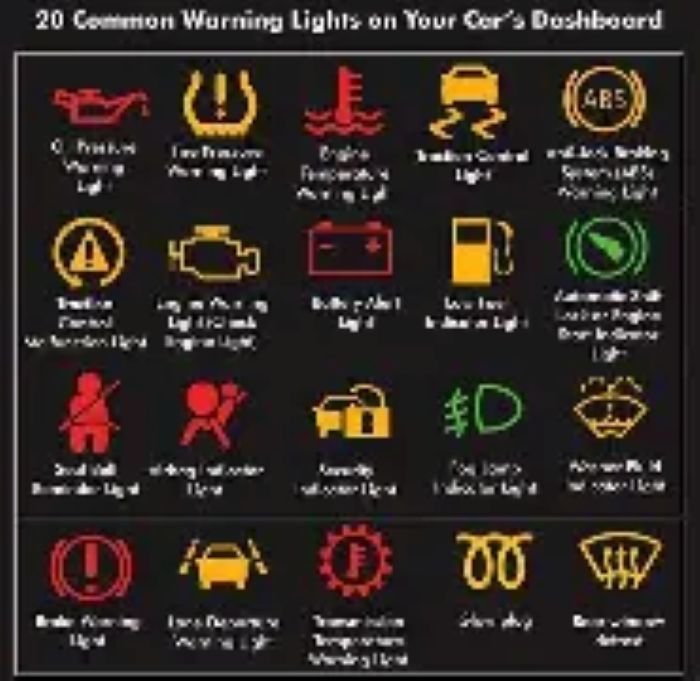
One common example of a cheap repair is simply clearing a warning light. A check engine light, ABS light, battery light, airbag light, or other dashboard warning should not be ignored or erased without understanding why it came on.
Clearing the light may make the dashboard look better for a short time, but it does not repair the cause. If the issue is still present, the light will likely return. In some cases, continuing to drive with an unresolved warning light can lead to poor performance, failed emissions readiness, reduced fuel economy, safety system concerns, or more expensive repairs.
The better question is not, “Can the light be shut off?”
The better question is, “Why did the light come on in the first place?”
Why replacing parts without testing can waste money
Many vehicle problems can look similar from the driver’s seat. A noise, vibration, hard start, rough idle, pull, warning light, or loss of power can have multiple possible causes.
For example:
A brake vibration may be related to rotors, hub runout, caliper issues, wheel torque, suspension wear, or previous installation concerns.
A misfire may be caused by a spark plug, ignition coil, fuel injector, compression issue, wiring problem, vacuum leak, or engine control issue.
A dead battery may be caused by an old battery, charging system problem, parasitic draw, loose connection, corrosion, or infrequent driving.
A steering or suspension noise may be caused by worn ball joints, tie rods, struts, control arm bushings, sway bar links, wheel bearings, or loose hardware.
Guessing at parts can get expensive quickly. Testing helps narrow the problem down so the repair is based on evidence, not assumptions.
Why safety repairs should not be treated like shortcuts
Some repairs directly affect vehicle safety. Brakes, tires, steering, suspension, lights, wipers, wheel bearings, and driver-assistance systems all play a role in keeping your vehicle safe and predictable on the road.
A “cheap” brake repair may not include cleaning and preparing the hub surface, checking caliper operation, inspecting brake hoses, measuring rotor condition, or addressing uneven wear. A “cheap” suspension repair may replace one obvious part while missing worn related components that affect alignment, tire wear, and handling.
When a repair affects safety, the goal should not be to do the least possible. The goal should be to make the vehicle safe, reliable, and properly repaired.
What does complete auto care mean?
Complete auto care means looking at the vehicle as a whole, not just the one part that failed. At Next Gen Auto Care by Tires Too, we want customers to understand the condition of their vehicle so they can make informed decisions.
That does not mean every recommendation is urgent. Some items may be safety concerns, some may be maintenance needs, and others may be things to monitor over time. Honest advice means helping you understand the difference.
A good repair process should answer questions like:
- What is wrong with the vehicle?
- Why did it happen?
- Is it a safety issue?
- Is it urgent or can it wait?
- What happens if I delay the repair?
- Are there related parts or systems that should be checked?
- What is the best long-term repair option?
When you have clear answers, you can make better decisions.
Is the most expensive repair always the best repair?
No. The best repair is not automatically the most expensive repair. A trustworthy shop should not recommend more than the vehicle needs. The goal is to recommend the right repair based on the vehicle’s condition, the customer’s goals, and the evidence found during inspection or diagnosis.
Sometimes the right answer is a simple repair. Sometimes the right answer is maintenance. Sometimes the right answer is to wait and monitor an issue. And sometimes the right answer is a more complete repair because doing only part of the job would likely lead to repeat problems.
The value comes from knowing the difference.
How can drivers avoid wasting money on auto repairs?
The best way to avoid wasting money is to choose a shop that takes time to inspect, test, document, and explain. Before authorizing a repair, it is fair to ask what was found, how the problem was diagnosed, and whether the recommendation is urgent, preventive, or optional.
Here are a few smart questions to ask:
- What caused the problem?
- How did you confirm it?
- Are there photos, measurements, or test results?
- Is this a safety issue?
- What happens if I wait?
- Is there anything related that should be addressed at the same time?
A good shop should be willing to explain the repair in a way that makes sense.
Auto repair in Londonderry, NH with honest advice
If you are looking for auto repair near Londonderry, Derry, Chester, Windham, Manchester, or surrounding New Hampshire communities, Next Gen Auto Care by Tires Too is here to help.
We believe in fixing vehicles the right way, not guessing at your expense. Whether your vehicle has a warning light, brake concern, suspension noise, fluid leak, tire wear issue, A/C problem, electrical concern, or maintenance need, our team is focused on helping you understand what is happening and what your options are.
Cheap repairs can get expensive when the root cause is missed. The right diagnosis, the right repair, and the right advice can save money, time, and frustration.
Next Gen Auto Care by Tires Too
Honest Advice. Real Expertise. Complete Auto Care.