Is Your Car Overheating? Cooling System Issues Explained
Overheating Issues
Is Your Car Overheating? Cooling System Issues Explained
Nobody likes a car that’s hotter than a New Hampshire summer. 🌡️
But here’s something many drivers don’t realize: cooling system problems don’t take the winter off. In fact, cold weather, road salt, and freeze-thaw cycles can be just as hard on your engine as July traffic with the A/C blasting.
Your vehicle’s cooling system works year-round to regulate engine temperature. When it isn’t doing its job, overheating, breakdowns, and costly engine damage can follow—no matter the season.
Let’s break down what causes overheating, why winter makes it worse, and how Next Gen Auto Care in Londonderry, NH keeps your vehicle running cool and reliable.
Common Causes of Engine Overheating
🔹 Low Coolant Levels
Coolant (antifreeze) doesn’t last forever. Leaks, evaporation, or skipped maintenance can leave your engine unprotected. Low coolant means your engine can’t regulate temperature properly—leading to overheating or freezing.
🔹 Leaking Radiator or Hoses
Cracks, corrosion, and weak hose connections often worsen during New England’s freeze-thaw cycles. A small leak can quickly turn into a big problem when temperatures swing.
🔹 Failing Water Pump
Your water pump circulates coolant throughout the engine. If it’s worn or leaking, coolant flow slows or stops entirely—causing rapid overheating.
🔹 Stuck or Failing Thermostat
A thermostat that’s stuck closed prevents coolant from flowing. That can cause overheating in the summer—or prevent proper warm-up in the winter.
🔹 Blocked Heater Core or Clogged Passages
Sludge or corrosion can restrict coolant flow, especially in colder months. This not only affects engine temperature but can also leave you without heat when you need it most.
Winter-Specific Cooling System Problems
Cold weather brings a unique set of risks for your cooling system:
❄️ Coolant Freeze or Improper Mix
Too much water or old antifreeze can freeze, expand, and crack radiators, engines, or hoses. The correct coolant mix is critical for New Hampshire winters.
❄️ Brittle or Cracked Hoses
Rubber hoses become stiff and brittle in cold temperatures, increasing the risk of sudden leaks or failures.
❄️ Ice or Snow Blocking Airflow
Ice or packed snow on the radiator or A/C condenser can block airflow, reducing cooling efficiency and putting extra stress on the engine.
❄️ Road Salt & Corrosion
Salt speeds up corrosion on radiators, clamps, and fittings—often causing hidden leaks that only show up when it’s too late.
Warning Signs You Shouldn’t Ignore
If you notice any of these symptoms, it’s time to have your cooling system checked:
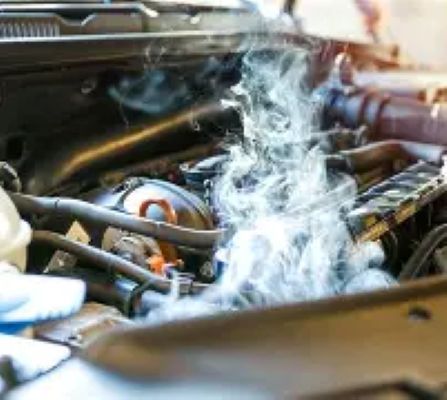
Steam coming from under the hood
Temperature gauge running hot or fluctuating
Sweet or unusual antifreeze smell
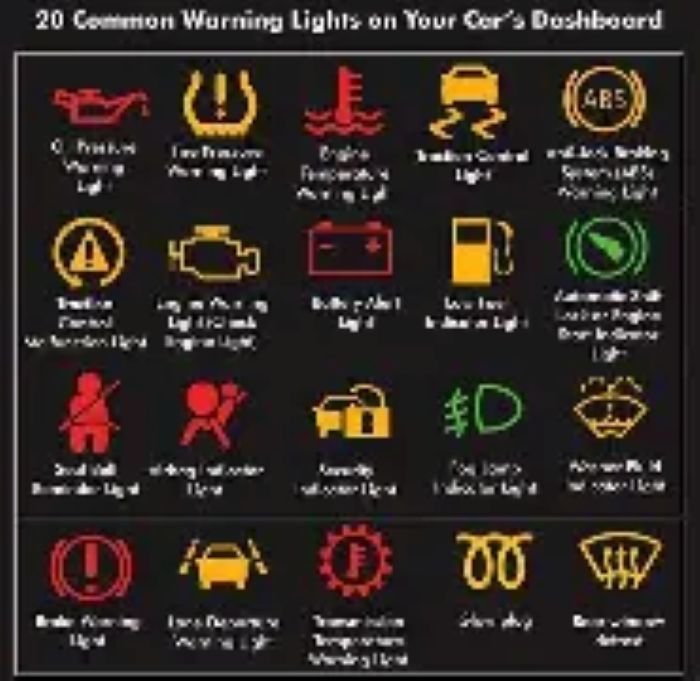
Coolant warning light
Poor cabin heat in winter
Ignoring these signs can lead to overheating, breakdowns, or even engine failure.
How Next Gen Auto Care Keeps Your Engine Running Cool
At Next Gen Auto Care in Londonderry, NH, we don’t believe in quick glances or guesswork. Our cooling system inspections focus on preventing problems before they leave you stranded, whether it’s August or February.
We check:
Coolant condition and proper freeze protection
Radiator, hoses, clamps, and fittings
Thermostat and water pump operation
Signs of corrosion, leaks, or blockages
Our goal is simple: keep your life in seamless motion, no matter what New England weather throws your way.
Don’t Let Overheating Catch You Off Guard
If your car is running hot—or you just want peace of mind before the next season—schedule a cooling system inspection at Next Gen Auto Care today.
📍 Next Gen Auto Care – Londonderry, NH
Because your engine deserves to stay cool year-round. The body content of your post goes here. To edit this text, click on it and delete this default text and start typing your own or paste your own from a different source.