All-Season vs. All-Weather vs. Winter Tires: What’s Best for New Hampshire Roads?
What Tires Are Right For My Vehicle?
New Hampshire winters have a personality all their own. One day it’s dry pavement, the next it’s snow-covered back roads, icy intersections, and freezing morning commutes. That’s why choosing the right tires isn’t just about convenience — it’s about safety, control, and confidence behind the wheel.
At Next Gen Auto Care in Londonderry, NH, we’re often asked:
“Do I really need winter tires?”
“Aren’t all-season tires good enough?”
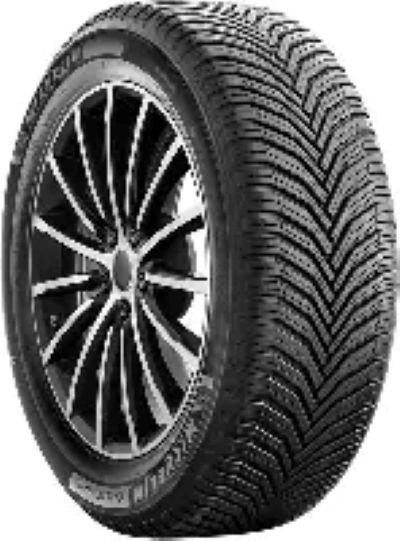
Let’s break down the real differences between All-Season, All-Weather, and Winter Tires, and how each performs during a true New Hampshire winter.
All-Season Tires: The Name Is a Little Misleading
Best for: Mild climates and three-season driving
All-season tires are designed to balance comfort, longevity, and performance in dry and wet conditions. They work well from spring through fall and are often the factory-installed tire on many vehicles.
Pros:
Smooth, quiet ride
Longer tread life
Good handling in dry and rainy conditions
Cons in NH Winter Conditions:
Rubber compounds harden in cold temperatures
Reduced traction on snow and ice
Longer stopping distances once temperatures drop below ~45°F
Bottom line:
All-season tires are a solid choice most of the year, but they are not designed for true winter driving. When snow, ice, and freezing temps arrive, their limitations show quickly.
All-Weather Tires: A True Year-Round Option
Best for: Drivers who want one tire year-round with better winter performance
All-weather tires are often confused with all-season tires, but they are very different. All-weather tires are engineered to perform in colder temperatures and carry the Three-Peak Mountain Snowflake (3PMSF) rating, meaning they meet industry standards for winter traction.
Pros:
Better grip in cold weather than all-season tires
Rated for snow traction
No need to swap tires seasonally
Cons:
Tread life is typically shorter than all-season tires
Not as capable as winter tires in deep snow or on ice
Bottom line:
All-weather tires are a great “middle ground” for New Hampshire drivers who want improved winter safety without the hassle of seasonal tire changes — especially if you mainly drive on plowed roads.
Winter Tires: Maximum Safety When It Matters Most
Best for: Serious winter driving, icy roads, and heavy snow
Winter tires are purpose-built for cold temperatures. Their rubber remains flexible in freezing conditions, and their tread patterns are designed to grip snow, slush, and ice far better than any other tire type.
Pros:
Superior traction on snow and ice
Shorter stopping distances
Best control in extreme cold
Cons:
Must be removed when temperatures warm up
Seasonal changeover required
Faster wear if used in warmer weather
Bottom line:
If you regularly drive during snowstorms, on untreated roads, or early morning commutes, winter tires provide the highest level of safety and confidence — no compromises.
Which Tire Is Right for You?
The best tire choice depends on:
Your daily driving habits
How much winter driving you do
Road conditions near your home and workplace
Your comfort level driving in snow and ice
That’s where professional guidance makes all the difference.
Trust the Tire Professionals at Next Gen Auto Care
At Next Gen Auto Care, we don’t believe in one-size-fits-all recommendations. Our Tire Professionals take the time to understand your vehicle, your driving patterns, and New Hampshire’s unique seasonal challenges before recommending the right tire solution.
Whether you’re deciding between all-weather tires or planning a dedicated winter tire setup, we’ll explain the pros and cons in plain language — and make sure your vehicle is prepared for whatever NH weather throws your way.
Next Gen Auto Care
📍 Londonderry, NH
Serving Derry, Windham, Chester & Manchester
We don’t fix cars — we keep your life in seamless motion.