FAQ NH State Inspection
Are NH State Inspections Required?
New Hampshire Vehicle Safety Inspections: What Changed & What It Means for You
Frequently Asked Questions
New Hampshire has ended the annual state safety inspection requirement for most vehicles. That’s a big change—and it’s raised a lot of good questions. Below, we break down what actually changed, what didn’t, and how this affects you as a vehicle owner.
❓ Did New Hampshire eliminate vehicle safety requirements?
No.
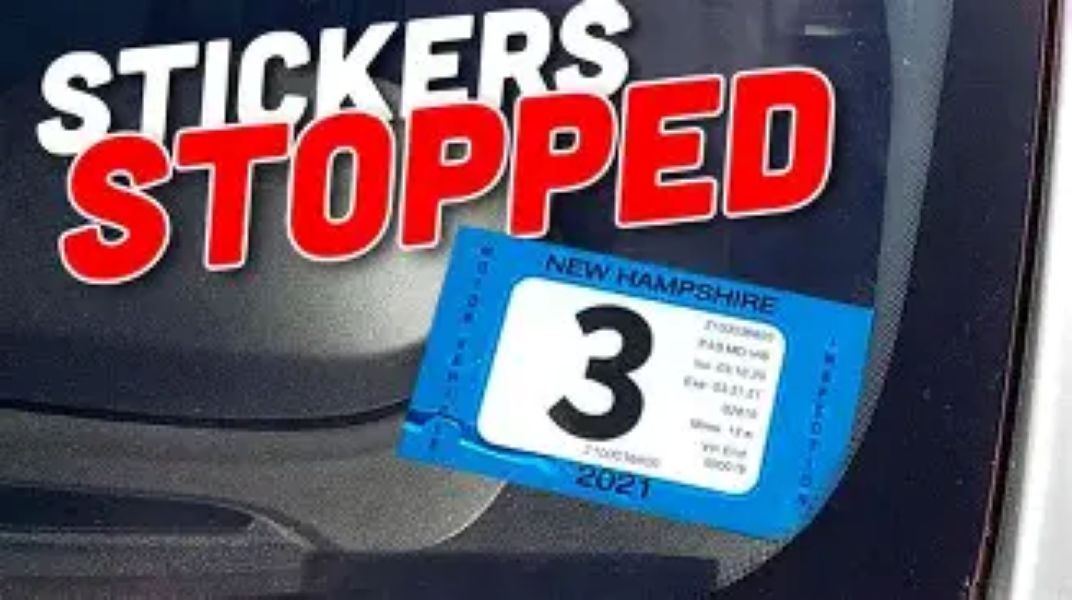
New Hampshire removed the annual inspection sticker requirement, but vehicle safety standards are still in effect.
In simple terms:
You are no longer required to get a yearly inspection sticker.
Your vehicle is still required by law to be safe and roadworthy.
❓ What does “vehicle safety requirements are still in place” mean?
It means your vehicle must still have properly functioning:
Brakes
Steering & suspension components
Tires with safe tread depth
Lights, signals, and wipers
Windshield and mirrors
Exhaust and emissions-related components
If your vehicle is unsafe and contributes to an accident, breakdown, or roadside stop, the absence of an inspection sticker does not protect you from responsibility.
❓ Will I get pulled over for not having an inspection sticker?
No—because inspection stickers are no longer required.
However, you can still be stopped or cited for:
Unsafe tires
Inoperative lights
Brake or steering issues
Equipment violations
The responsibility has shifted more directly to the vehicle owner.
❓ Is it still a good idea to have my car inspected?
Absolutely—and arguably more important than ever.
Annual inspections used to serve as a built-in reminder to check safety-critical systems. Without that reminder:
Problems can go unnoticed longer
Minor issues can turn into expensive repairs
Safety risks can increase without obvious warning signs
Think of inspections less as a “state requirement” and more as preventive maintenance for your safety and wallet.
❓ What’s the difference between a state inspection and a safety check at Next Gen Auto Care?
A state inspection was a pass/fail checklist designed to meet regulations.
A Next Gen Auto Care safety check is:
Focused on your vehicle and how you drive it
Designed to catch wear before it becomes a breakdown
Explained clearly—no mystery, no pressure
Our goal is to inform and advise, not surprise you later.
❓ If inspections aren’t required, how will I know when something is unsafe?
Great question—and this is where professional inspections matter most.
Many safety issues don’t announce themselves with warning lights or loud noises:
Brake components can wear unevenly
Suspension parts can loosen gradually
Tires can age out before they wear out
Rust can weaken critical components silently (hello, New England winters)
Regular inspections help catch these issues before they affect safety or reliability.
❓ Does skipping inspections save money?
Short term? Maybe.
Long term? Usually not.
Catching problems early often means:
Less expensive repairs
Fewer emergency breakdowns
Better fuel economy
Longer vehicle life
Preventive inspections tend to cost far less than reactive repairs.
❓ What does Next Gen Auto Care recommend now?
We recommend continuing with regular safety and maintenance inspections, even without a state mandate.
Many of our customers choose:
Annual or semi-annual safety checks
Inspections before long trips
Seasonal checks (especially before winter)
Not because the state says so—but because your safety, time, and peace of mind matter.
❓ Can Next Gen Auto Care still inspect my vehicle?
Yes. While state stickers are no longer required, we continue to offer:
Safety inspections
Maintenance inspections
Pre-trip and pre-purchase inspections
We’ll clearly explain what we see, what matters now, and what can wait.
🚗 The Bottom Line
New Hampshire may no longer require annual safety inspections—but safe vehicles are still the law, and responsible maintenance is still the smartest move.
At Next Gen Auto Care, we don’t fix cars just to check a box.
We help keep your life in seamless motion.
If you have questions or want to schedule a safety check, we’re always happy to help.