Top 5 Noises Your Car Makes That Sound Expensive… But Usually Aren’t
Top 5 Noises Your Car Makes That Sound Expensive… But Usually Aren’t
Hearing a strange noise from your car can instantly trigger worst-case scenarios. Is it the transmission? The engine? Your entire savings account?
Take a breath. Not every noise means a major repair.
In fact, many of the most alarming sounds we hear at Next Gen Auto Care in Londonderry, NH turn out to be minor issues with simple fixes. Here are the top five “scary-sounding” car noises that are usually not as bad as they seem.
1. Morning Squeal from the Belts
That loud squeal right after startup—especially on a cold New Hampshire morning—is extremely common.
What’s happening:
Cold temperatures make rubber belts stiff and less flexible. When the engine starts, the belt may slip briefly until it warms up.
Good news:
In many cases, a belt adjustment or replacement solves the problem quickly. It’s rarely an emergency—but it is something you don’t want to ignore forever.
2. Loud Brake Squeak Backing Out of Your Driveway
You step on the brakes first thing in the morning and… screeeech.
What’s happening:
Overnight moisture, light surface rust, and road salt buildup are common in NH. That thin rust layer gets scraped off the first time you brake.
Good news:
If the noise disappears after a few stops, it’s usually completely normal. Persistent noise, grinding, or vibration is when it’s time to have the brakes inspected.
3. Clicking or Popping When Turning
This one tends to get people’s attention fast.
What’s happening:
Yes, clicking can indicate a CV axle issue—but often it’s something much simpler, like loose trim, a rock stuck in a splash shield, or plastic components flexing in cold weather.
Good news:
Many clicking noises are inexpensive fixes once the cause is identified. A quick inspection can save a lot of unnecessary worry.
4. Rattle at Idle or While Driving Slowly
Rattles are annoying—and they always sound worse than they are.
What’s happening:
Heat shields, exhaust hangers, and plastic under-car panels are notorious for loosening over time and making themselves known.
Good news:
These repairs are often straightforward and affordable. In fact, rattles fall into the “cheap fix” category more often than not.
5. Whirring or Humming from the Rear of the Vehicle
Many drivers assume this noise means a failing wheel bearing—and sometimes it does. But not always.
What’s happening:
Tire cupping, uneven tire wear, low air pressure, or AWD system maintenance needs can all create humming or droning sounds.
Good news:
The fix may be as simple as tire service or routine maintenance—not a major component replacement.
When a Noise Does Need Attention
While many noises are harmless, new, persistent, or worsening sounds should always be checked. Ignoring them can turn a small issue into an expensive one.
That’s why at Next Gen Auto Care in Londonderry, we focus on identifying the real cause—not guessing, not upselling.
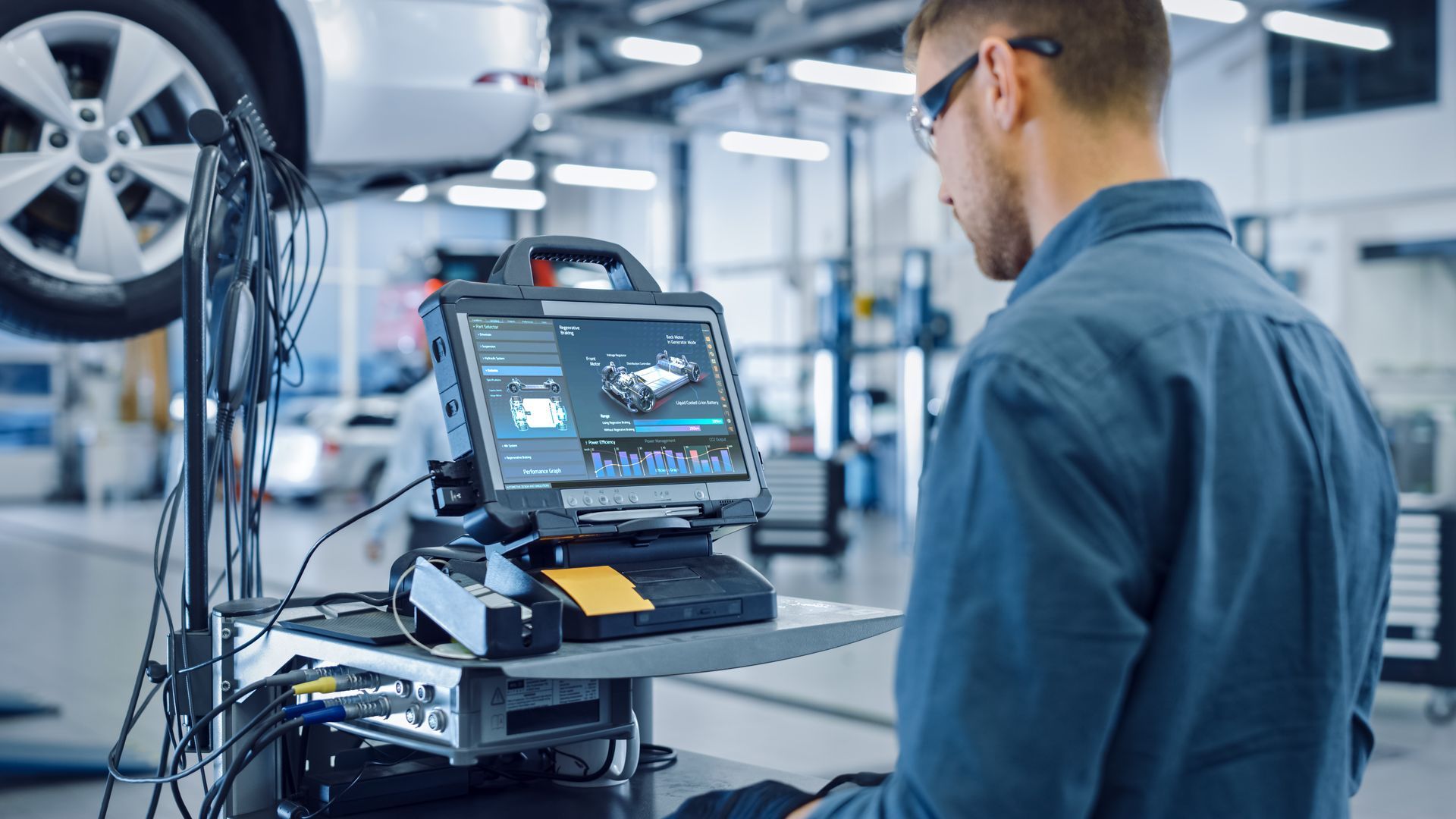
Our Digital Courtesy Inspection helps us spot issues early, explain what’s normal, and show you exactly what needs attention (and what doesn’t).
Hearing a noise that’s making you nervous?
Let us turn that “uh-oh” sound into a simple solution—and help keep your car (and your wallet) happy.
Next Gen Auto Care – Londonderry, NH
We don’t fix cars. We keep your life in seamless motion.
Frequently Asked Questions About Car Noises
Why is my car making noise but driving fine?
Many car noises come from non-critical components like belts, heat shields, brakes, or plastic panels. These parts can make noticeable sounds without affecting how the vehicle drives, especially in cold or wet conditions.
Are car noises worse in cold weather?
Yes. Cold temperatures cause rubber, metal, and plastic components to stiffen and contract. This often leads to squeaks, rattles, or clicks that disappear once the vehicle warms up.
When should I worry about a noise coming from my car?
You should have your car inspected if the noise is:
Getting louder or more frequent
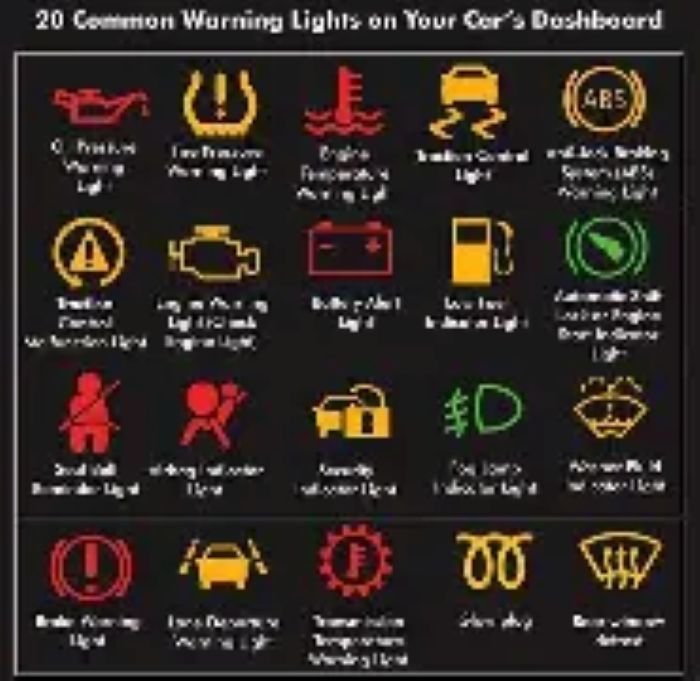
Accompanied by warning lights
Felt through the steering wheel or brake pedal
Affecting performance, braking, or steering
Is it safe to drive if my car is making a squeaking or rattling noise?
In many cases, yes—but it depends on the source. Brake noise, steering-related sounds, or grinding should always be checked promptly to avoid safety risks or additional damage.
Why does my car make noise only when I first start it?
Startup noises are commonly caused by cold belts, exhaust components, or surface rust on brake rotors. These noises usually fade as the engine and components warm up.
Can tires cause humming or droning noises?
Yes. Uneven tire wear, low tire pressure, or tire cupping can create humming or whirring sounds that are often mistaken for wheel bearing failure.
How do mechanics diagnose car noises?
Technicians combine test drives, visual inspections, and hands-on checks of suspension, brakes, exhaust, and drivetrain components. At Next Gen Auto Care, we use our Digital Courtesy Inspection to document findings and explain them clearly.
What should I do if I hear a new noise in my car?
Schedule an inspection sooner rather than later. Catching a small issue early can prevent expensive repairs down the road and give you peace of mind.